Knit and woven garments may share a rail in store, but on the factory floor they are different worlds. Understanding the distinction helps buyers set realistic expectations on cost, lead time and quality control.
How they are made
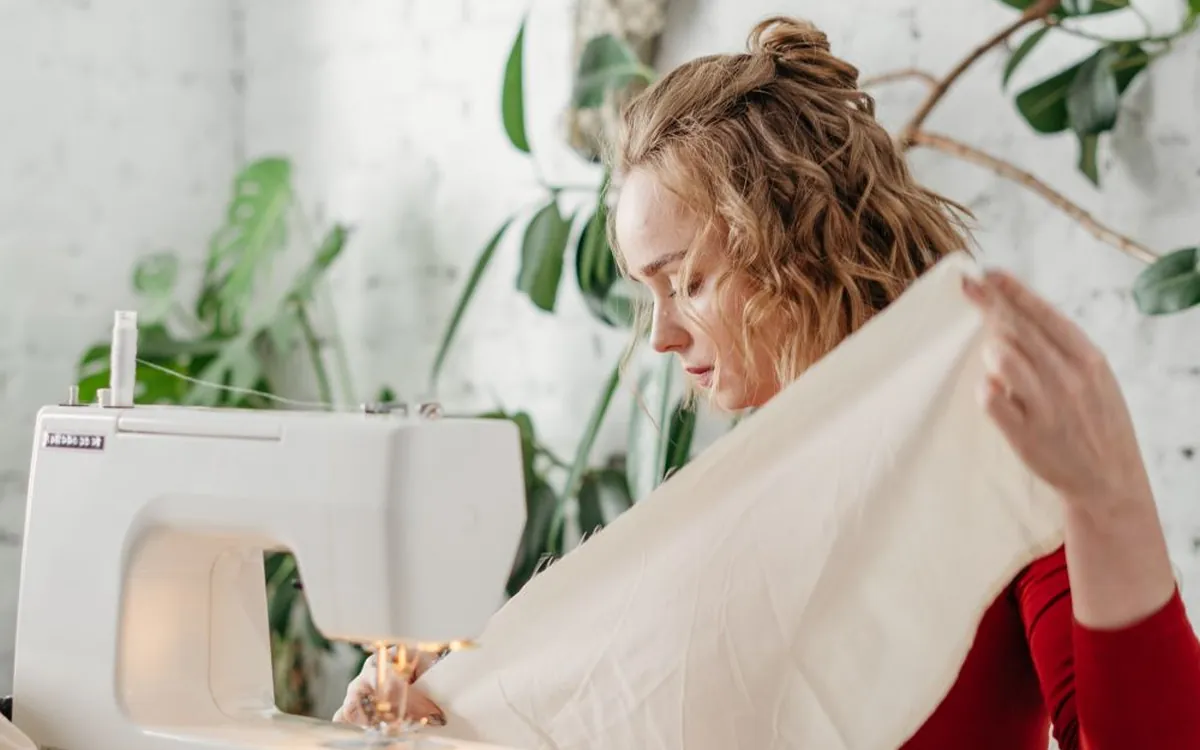
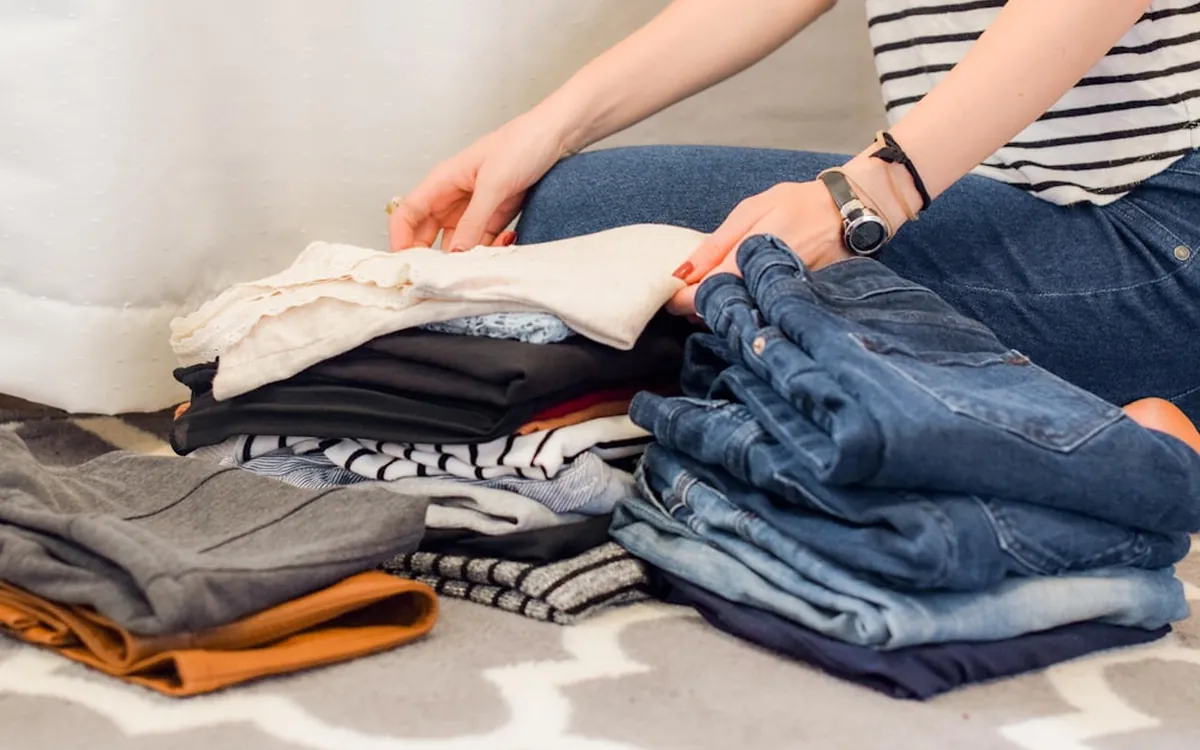
Knit fabric is formed by interlooping yarn, giving stretch and softness — think t-shirts, polos and sweatshirts. Woven fabric is made by interlacing warp and weft threads, producing structure and stability — shirts, trousers and jackets. That single difference shapes everything that follows.
What it means for fit and QC
Knits forgive small measurement variations because the fabric moves; the focus shifts to GSM, shrinkage, spirality and colourfastness. Wovens are less forgiving on measurement and construction, so pattern accuracy, seam quality and wash consistency take centre stage.
Cost and lead time
Knit basics are often quicker and more cost-efficient to produce at volume. Wovens, with cutting, pattern engineering and finishing, can carry more construction time. Neither is 'better' — the right choice depends on the product and the price point you are targeting.
Zareen International sources both, with dedicated quality standards for each. Whether your range is knit, woven or a mix, we apply the right controls to the right construction.